From Origin to Inspiration: My Journey Through Ecuador with República del Cacao
Por: Daniella Lea Rada – Chef Ejecutiva de Pastelería en Signia by Hilton Atlanta y Chef Aliada de República del Cacao
Hay momentos en la carrera de un chef que cambian para siempre la forma en que ves un ingrediente.
Recientemente, tuve el privilegio de viajar a Ecuador con República del Cacao. Lo que comenzó como un viaje para aprender más sobre el chocolate, terminó convirtiéndose en una lección mucho más profunda sobre las personas, las comunidades y las historias que hay detrás de los ingredientes que utilizamos cada día.
Antes de este viaje, el chocolate de República del Cacao era un producto excepcional en el que confiaba plenamente en mi cocina. Después de recorrer las montañas de Cayambe, conocer a las mujeres de Puliza, caminar entre los árboles de cacao en la Amazonía y presenciar la transformación del grano hasta convertirse en chocolate, comprendí que cada bolsa de chocolate lleva consigo una historia mucho más grande que el propio ingrediente. A lo largo de este recorrido, hubo un mensaje que se hizo evidente: el gran chocolate comienza con grandes personas.
Día 1: Comprendiendo el corazón que hay detrás del chocolate
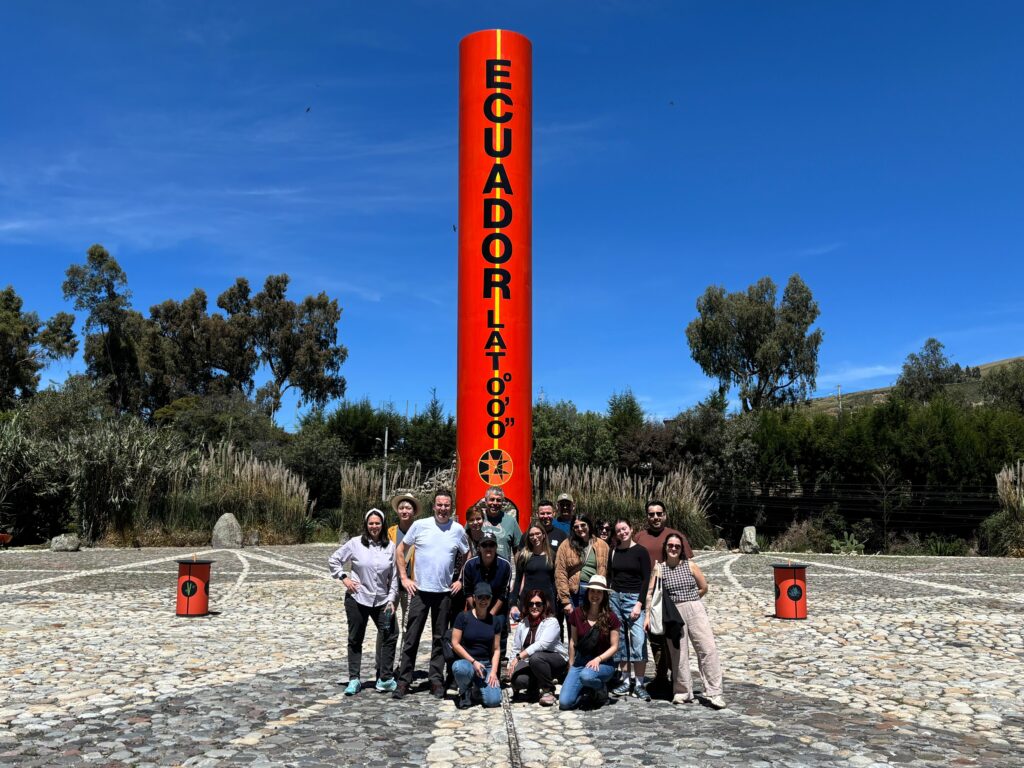
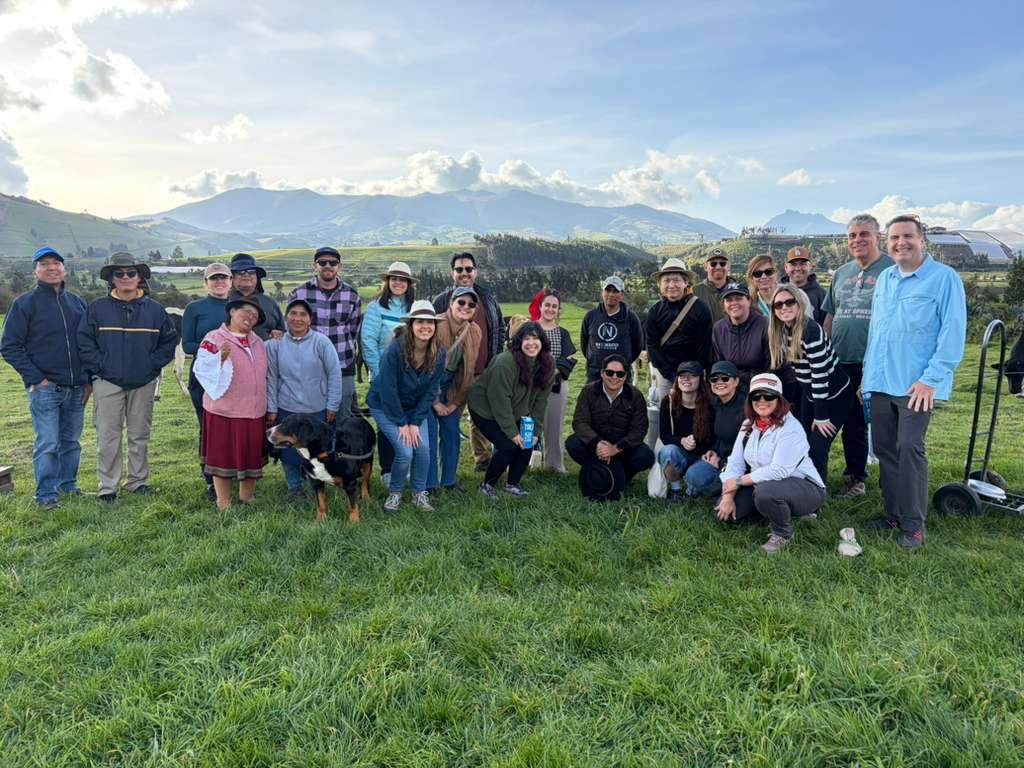
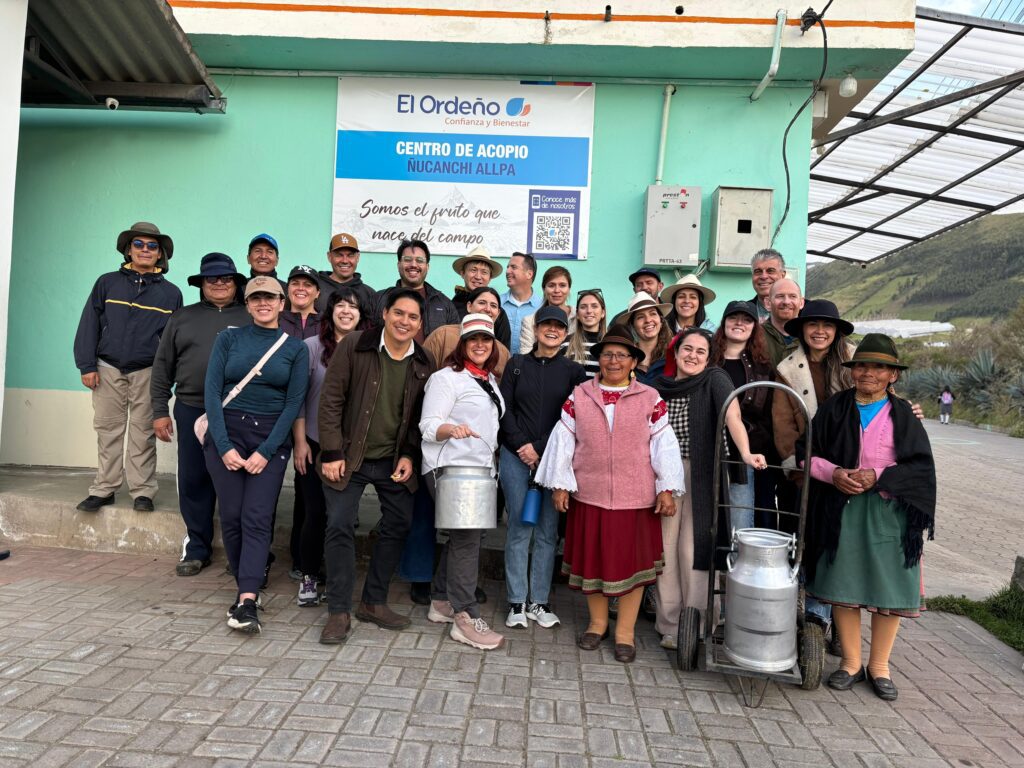
Nuestro primer día comenzó cerca de la Línea Ecuatorial, en el Reloj Solar Quitsato, donde aprendimos cómo la ubicación geográfica única del Ecuador crea las condiciones ideales para la agricultura y la producción de cacao. Sin embargo, la experiencia más significativa fue nuestra visita a la comunidad indígena lechera de Puliza. Esta comunidad, liderada por mujeres, provee la leche utilizada en el Chocolate Blanco 31% de República del Cacao, el mismo chocolate que más tarde inspiraría mi postre.
Fuimos recibidos con una tradicional Pambamesa, una comida compartida preparada con ingredientes cultivados por la propia comunidad. Compartir papa criolla, melloco, maíz, queso fresco y tortillas de tiesto me recordó que algunas de las comidas más memorables se construyen a partir de la sencillez, la generosidad y la conexión. También tuvimos la oportunidad de probar los famosos bizcochos de Cayambe y aprender sobre el agave, una planta que prospera en condiciones desafiantes. Su resiliencia me pareció un reflejo de las comunidades que conocimos durante todo el viaje.
Más tarde ascendimos por las montañas para conocer de primera mano la actividad lechera. Visitamos el invernadero de la señora Lucrecia, aprendimos sobre los programas de desarrollo comunitario y observamos el trabajo diario necesario para mantener estas fincas.
Uno de los momentos más memorables fue intentar ordeñar una vaca junto a la presidenta de la comunidad. Mientras que mis esfuerzos apenas lograron llenar una pequeña taza de leche, ella estuvo a punto de llenar un balde completo. Lo que más me impactó no fue el proceso en sí, sino las personas que hay detrás de él. Estas mujeres se levantan antes del amanecer, trabajan incansablemente, sostienen a sus familias e invierten en el futuro de sus hijos. De pie en aquella montaña comprendí que la leche utilizada en el chocolate blanco de República del Cacao representa mucho más que un ingrediente: representa oportunidades, resiliencia y comunidad.
Antes de este viaje, el Chocolate Blanco Ecuador 31% era simplemente un producto que disfrutaba utilizar. Después de conocer a las mujeres que hacen posible su producción, se convirtió en una historia.
Día 2: Siguiendo el recorrido del cacao hacia la Amazonía
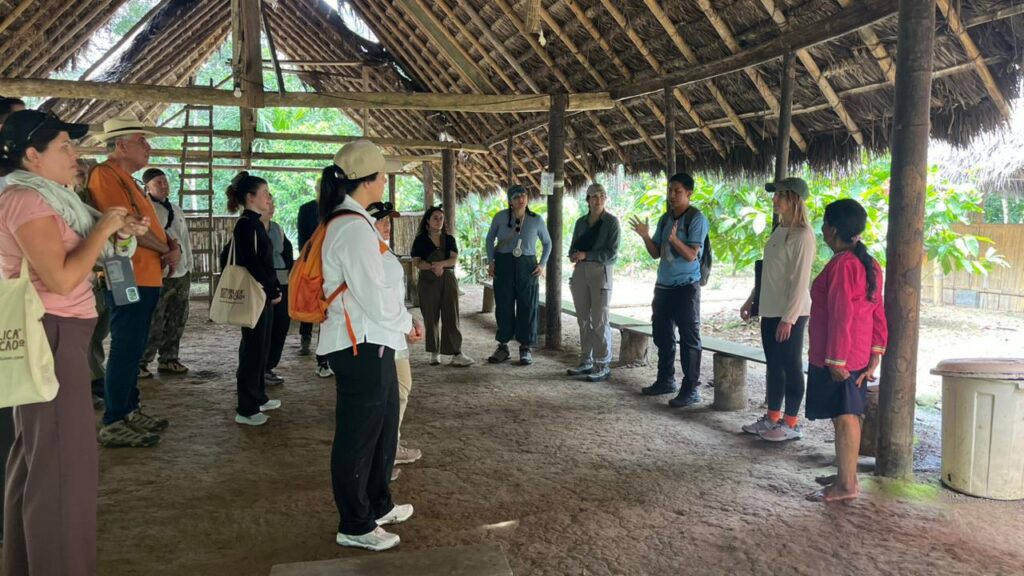
El segundo día nos llevó desde los Andes hasta la Amazonía ecuatoriana, donde seguimos el recorrido del cacao hasta su origen. En el camino, hicimos una parada en un centro de acopio de cacao para observar los procesos de fermentación y secado. Ver miles de granos de cacao transformarse cuidadosamente antes de llegar a una fábrica me permitió valorar aún más la dedicación y el conocimiento necesarios para producir un gran chocolate. También aprendimos sobre las iniciativas de Comercio Justo (Fair Trade) y el impacto que generan en las comunidades locales. Los productores nos hablaron sobre la importancia de la educación, las oportunidades
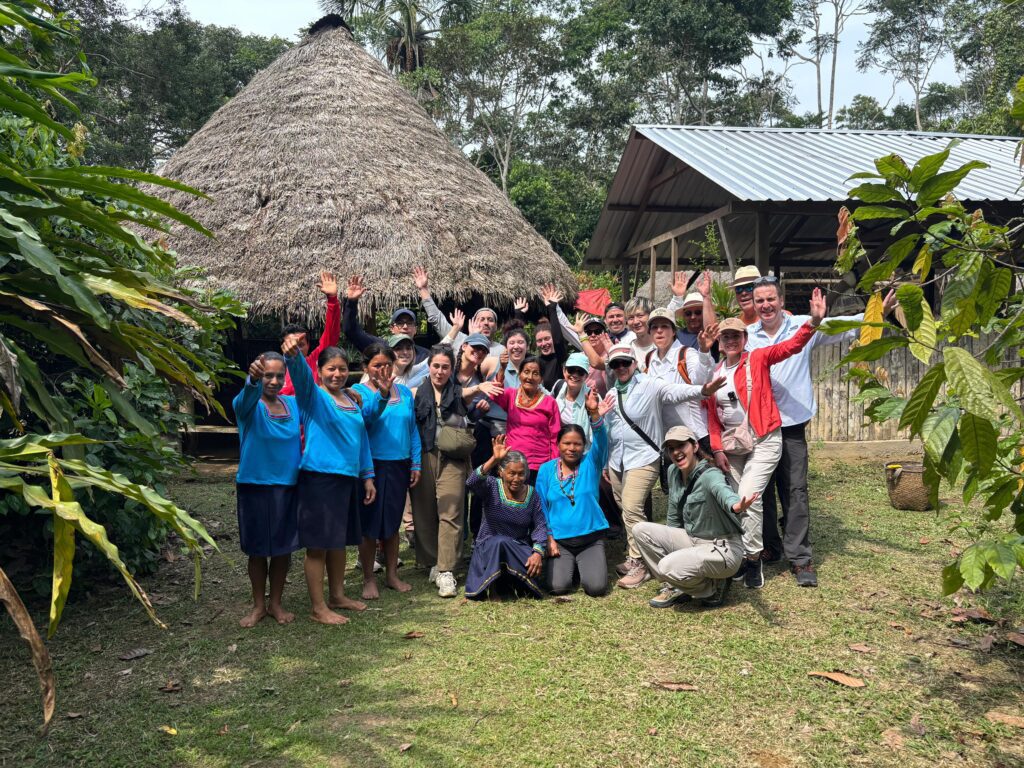
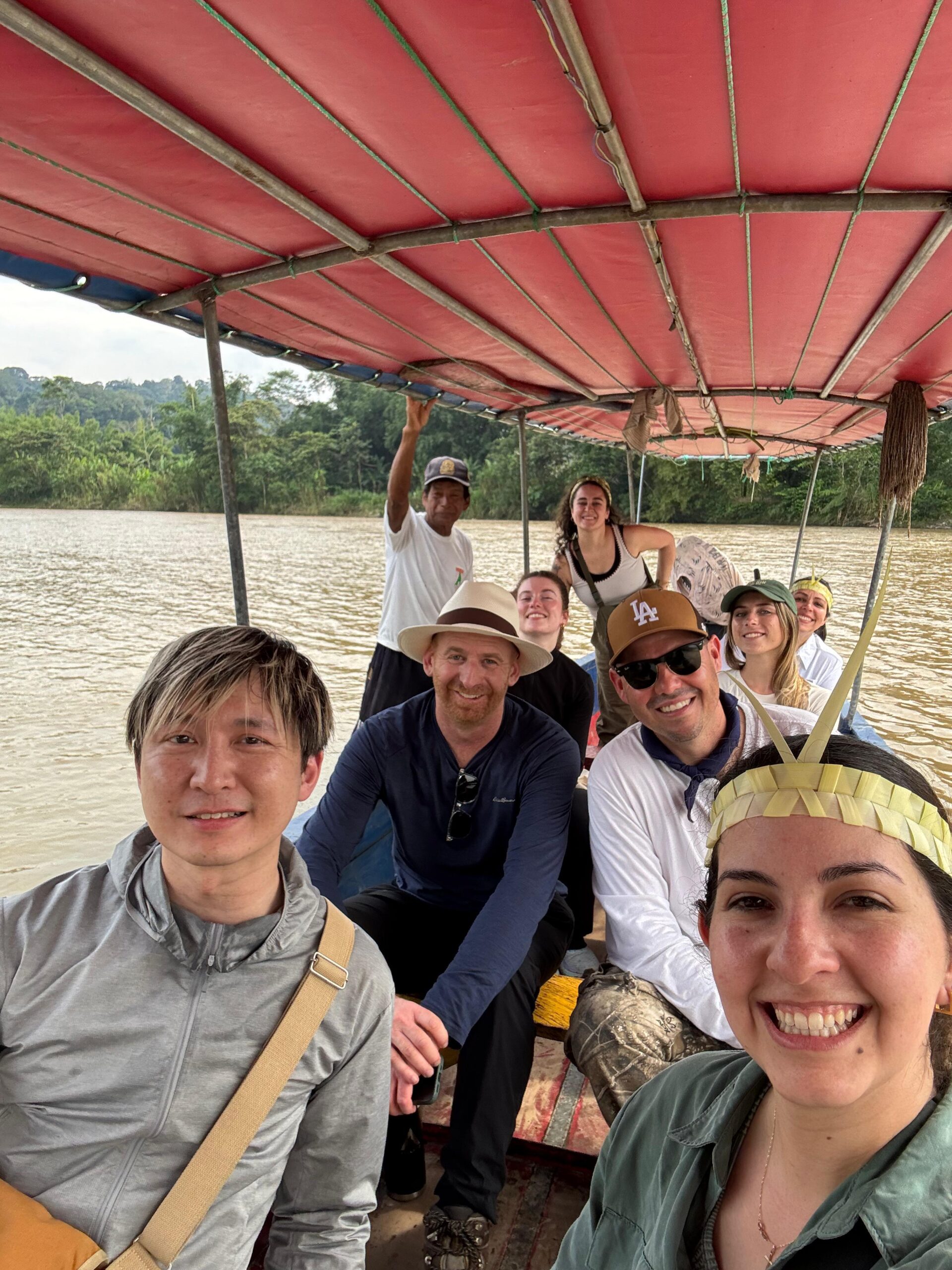
y la preservación de las tradiciones agrícolas para las futuras generaciones. Uno de los momentos más memorables del viaje llegó cuando abordamos una canoa para navegar por el río hasta la comunidad de Mirador. El recorrido por la selva amazónica nos invitó a bajar el ritmo y apreciar el entorno que nos rodeaba.
La comunidad nos recibió con una comida preparada con ingredientes locales y compartió demostraciones de artesanías tradicionales elaboradas con fibras naturales y tintes de origen vegetal. Su respeto por la tierra y su compromiso con preservar los conocimientos transmitidos de generación en generación resultaron verdaderamente inspiradores.
Finalmente, llegamos a la plantación de cacao. Para una chef pastelera, ver el cacao creciendo en su entorno natural fue una experiencia casi surrealista. Aún más significativo fue descubrir que esta plantación produce el cacao utilizado en el Chocolate Negro Amazonía 75% de
República del Cacao, un chocolate que utilizamos regularmente en nuestro programa de pastelería.
Caminar entre los árboles de cacao, rodeados de banano, vainilla, canela, jengibre y una gran variedad de plantas, reveló la extraordinaria biodiversidad de la Amazonía. Probar el cacao fresco directamente de la mazorca fue otra experiencia inolvidable. La pulpa dulce que rodea al grano tenía notas frescas, tropicales y un sabor completamente diferente al que la mayoría de las
personas asocia con el chocolate.
Al finalizar el día, comprendí que cada pieza de chocolate comienza su historia mucho antes de llegar a una fábrica. Comienza con los agricultores, los ecosistemas y generaciones de conocimiento compartido.

Día 3: Del grano al chocolate
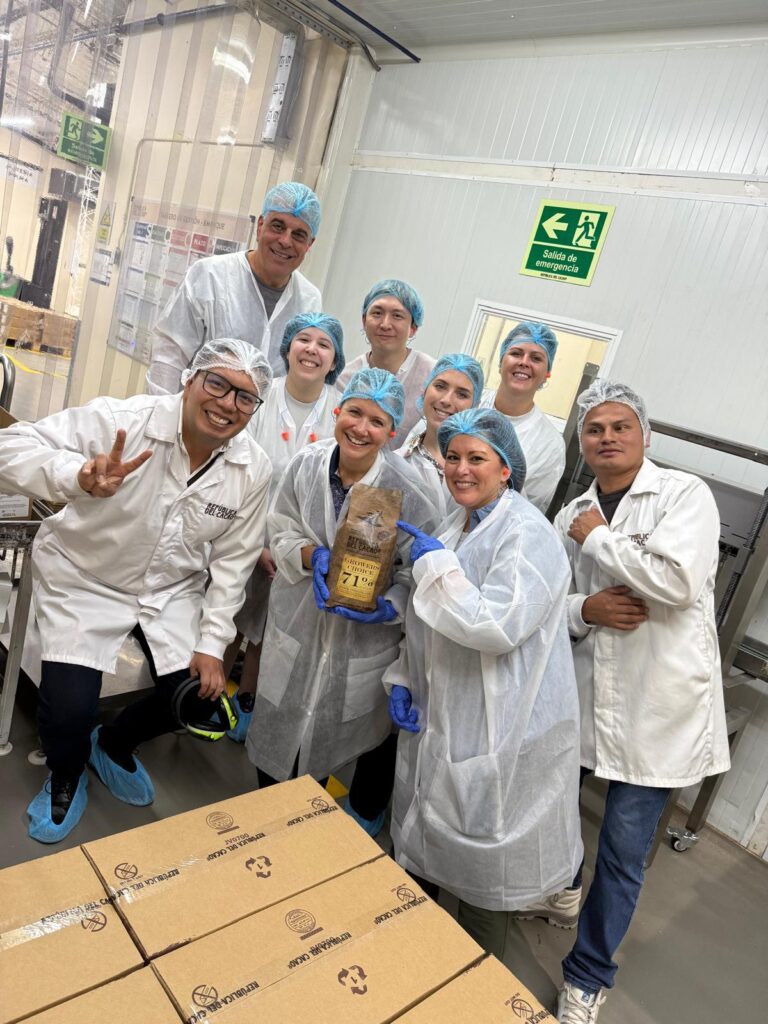
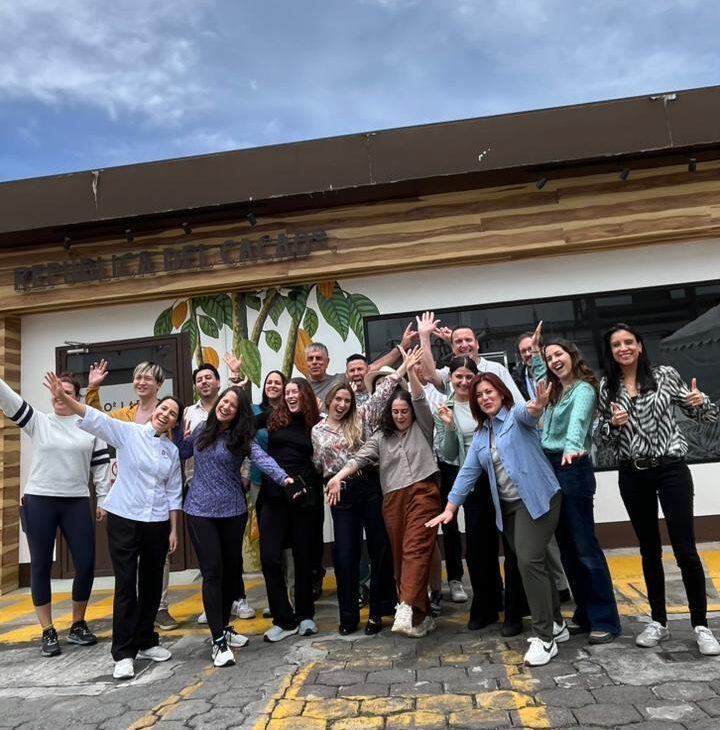
Nuestro tercer día nos llevó a la fábrica de República del Cacao en Quito, donde seguimos el recorrido del cacao desde el grano hasta convertirse en chocolate terminado. Desde el momento en que llegamos, quedó claro que la mayor fortaleza de la empresa son las personas. El orgullo, la pasión y el compromiso que demostraba cada colaborador reflejaban los mismos valores que habíamos visto en las comunidades productoras de leche y cacao.
Recorrimos todo el proceso de producción: desde la recepción y el tostado de los granos de cacao hasta el refinado, conchado, temperado y empaque del chocolate. Aunque la tecnología era impresionante, lo que más destacó fue la experiencia y el conocimiento que había detrás de cada etapa. La calidad no se logra únicamente gracias a las máquinas; se alcanza gracias a las personas que sienten un profundo compromiso con su trabajo.
Un aspecto que me impresionó especialmente fue el compromiso de la empresa por minimizar los desperdicios y aprovechar al máximo el valor de cada grano de cacao.
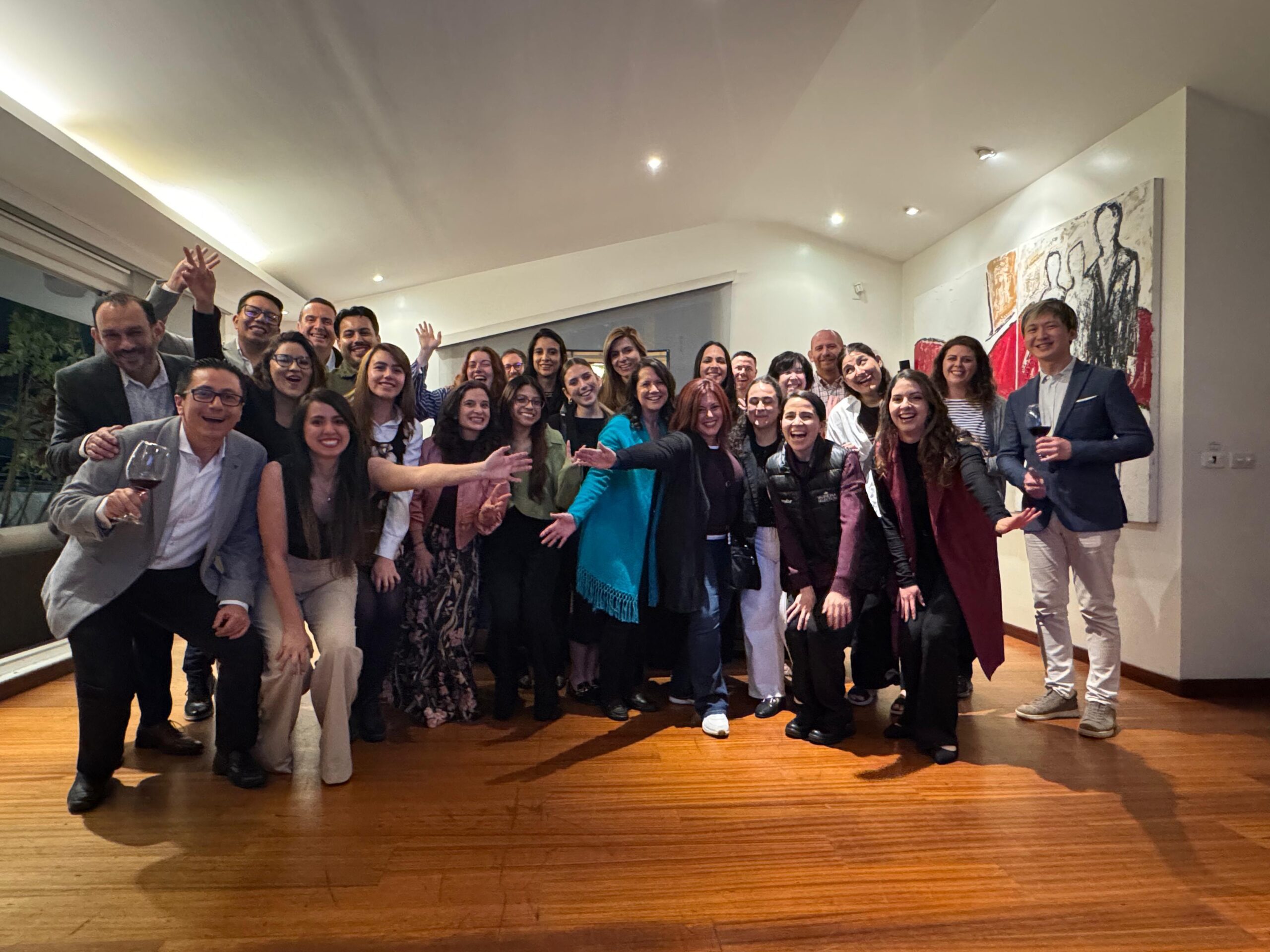
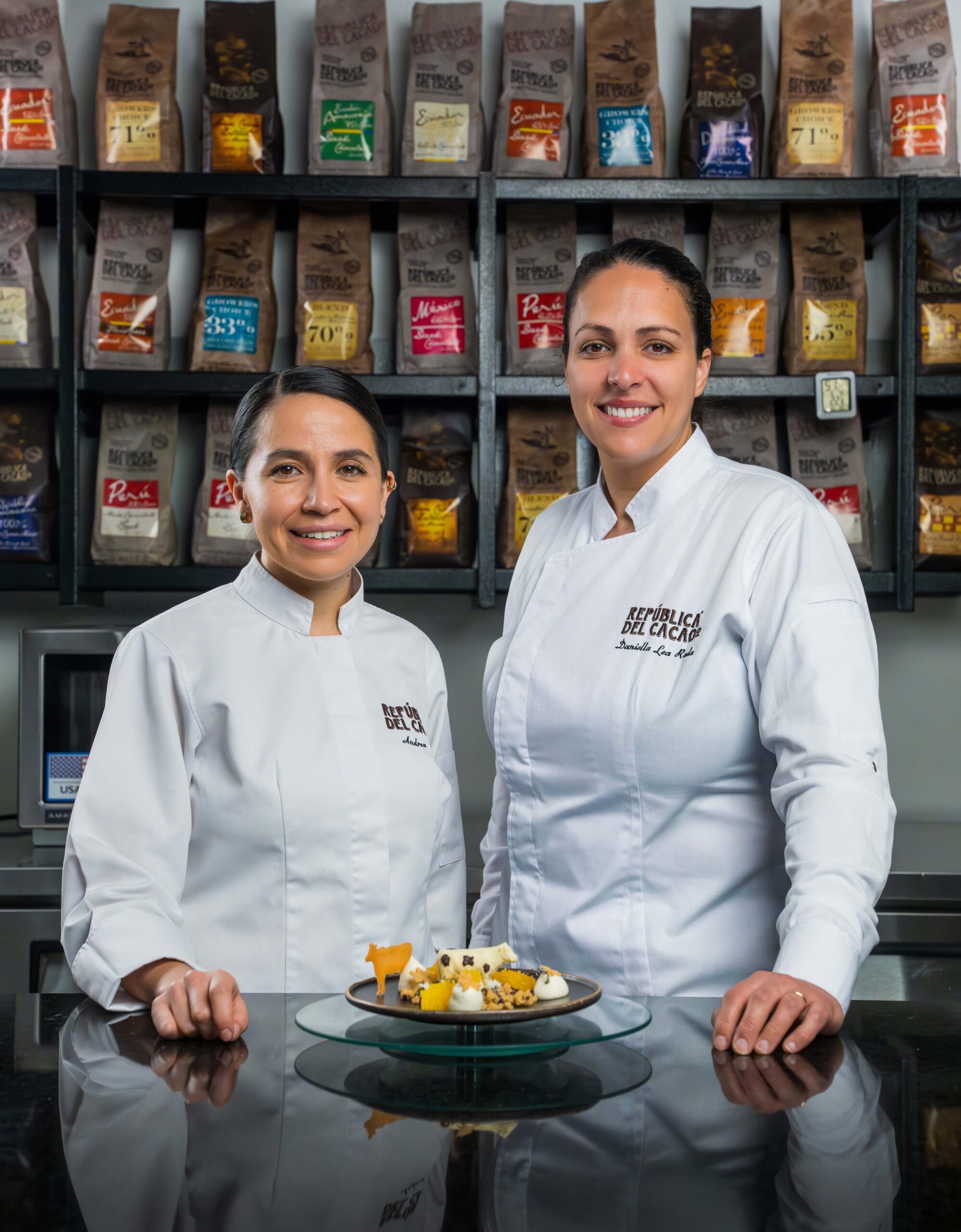
Después del recorrido por la fábrica, disfrutamos de una degustación de pastelería preparada por la Chef Corporativa de Pastelería, Andrea, y tuvimos la oportunidad de conocer más sobre la misión de República del Cacao de la mano de la CEO, Paulina, y del equipo directivo.
Para ese momento del viaje, ya había un tema en común que se repetía constantemente. Ya fuera conversando con productores de leche, agricultores de cacao o colaboradores de la fábrica, todos compartían el mismo sentido de orgullo y responsabilidad.
República del Cacao no solo produce chocolate; preserva tradiciones, apoya a las comunidades y crea oportunidades. Para mí, ese es el verdadero secreto detrás de la marca.
El día concluyó con una hermosa cena en Casa de Tilo, donde los chefs Max y Cécile nos recibieron en su hogar. Rodeados de jardines, excelente comida, música y una agradable conversación, fue un recordatorio más de que la hospitalidad y la conexión humana están en el
corazón de la cultura ecuatoriana.
Día 4: Transformando la inspiración en un postre
Nuestro último día en Quito nos brindó el tiempo para reflexionar sobre todo lo que habíamos vivido. Mientras caminaba por la ciudad, los recuerdos de los días anteriores volvían una y otra vez a mi mente: las mujeres de Puliza llevando la leche montaña abajo, el recorrido en canoa por la Amazonía, los árboles de cacao creciendo bajo el dosel de la selva y los colaboradores de la fábrica compartiendo con orgullo el trabajo que realizan.
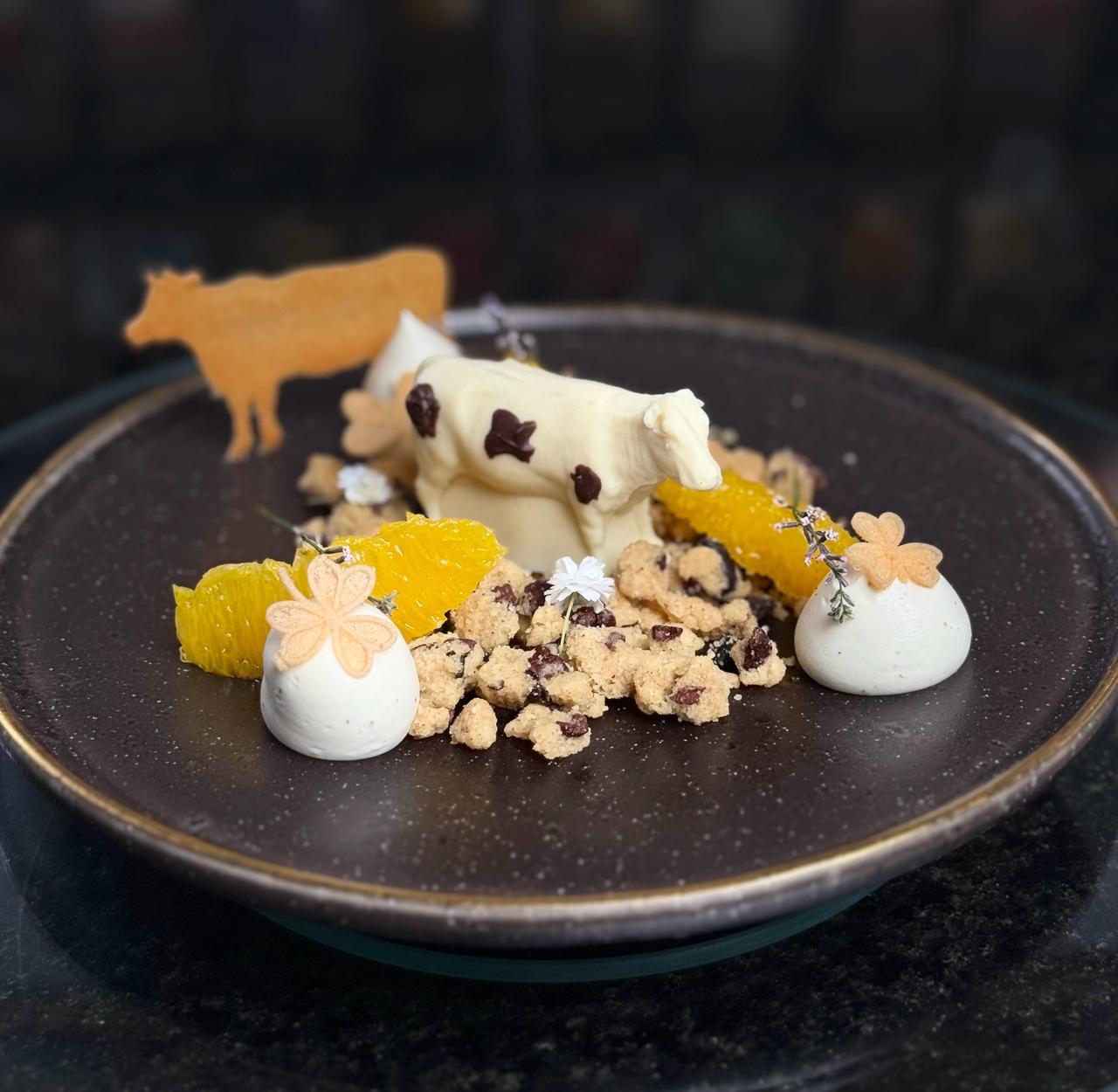
Para ese momento, ya sabía exactamente lo que quería que representara mi postre. En el centro de la creación estaba el Chocolate Blanco Ecuador 31% de República del Cacao. Después de visitar Puliza, su sabor adquirió un significado completamente nuevo. Cada bocado me
recordaba las montañas, la comunidad y a las mujeres cuya dedicación hace posible este chocolate.
La Amazonía también desempeñó un papel fundamental en el desarrollo del postre. Sus vibrantes notas cítricas, sus aromas frescos y la extraordinaria biodiversidad de la región inspiraron sabores que aportaron frescura y energía a la creación final. Los propios paisajes influyeron en la presentación y en la esencia emocional del postre.
Trabajar junto a la Chef Corporativa Andrea, fue uno de los mayores privilegios de este viaje. Juntas transformamos recuerdos en sabores y experiencias en una historia contada a través de un postre. Cada componente se convirtió en un reflejo de un lugar, una persona o un momento vivido durante este recorrido.
Mientras abordaba mi vuelo de regreso a Atlanta, llevaba conmigo mucho más que la inspiración para una nueva receta. Me llevaba los recuerdos de las mujeres de Puliza, la belleza de las montañas de Cayambe, los sonidos de la selva amazónica y las historias de las personas que dedican su vida a producir y transformar este extraordinario ingrediente. Este viaje profundizó mi
respeto no solo por el cacao, sino también por cada persona cuyas manos forman parte de este proceso: desde los agricultores y productores hasta los artesanos, las comunidades y los colaboradores de la fábrica.
Como chefs, muchas veces nos enfocamos en lo que creamos. Esta experiencia me recordó la importancia de honrar también el origen de nuestros ingredientes y a las personas que hacen posible que lleguen hasta nosotros.
Antes de Ecuador, el chocolate era un ingrediente con el que disfrutaba trabajar. Después de Ecuador, se convirtió en una historia. Y detrás de cada gran historia hay personas extraordinarias. Por eso, siempre estaré profundamente agradecida
Por: Daniella Lea Rada
Sigue su trabajo en: @daniella.learada