From Origin to Inspiration: My Journey Through Ecuador with República del Cacao
By: Daniella Lea Rada – Executive Pastry Chef at Signia by Hilton Atlanta and Partner Chef of República del Cacao
There are moments in a chef's career that forever change the way you see an ingredient.
Recently, I had the privilege of traveling to Ecuador with República del Cacao. What began as a trip to learn more about chocolate ended up becoming a much deeper lesson about the people, the communities, and the stories behind the ingredients we use every day.
Before this trip, República del Cacao chocolate was an exceptional product that I trusted completely in my kitchen. After touring the mountains of Cayambe, meeting the women of Puliza, walking among the cacao trees in the Amazon, and witnessing the transformation of the bean into chocolate, I understood that every bag of chocolate carries with it a story much larger than the ingredient itself. Throughout this journey, one message became clear: great chocolate begins with great people.
Day 1: Understanding the heart behind the chocolate
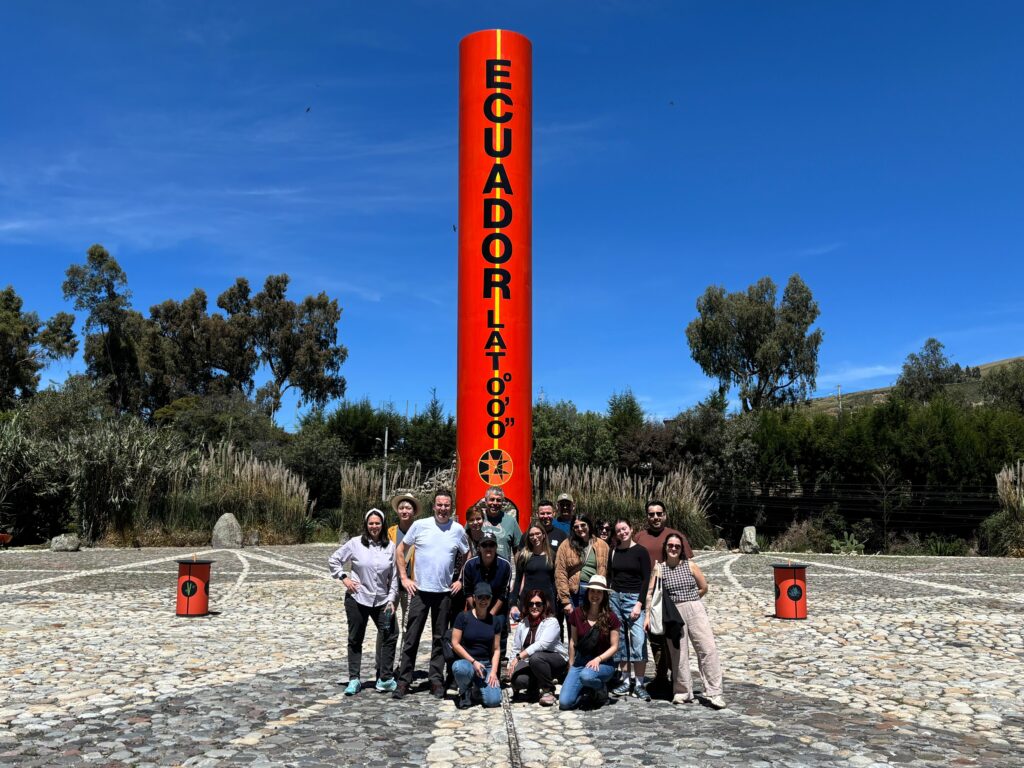
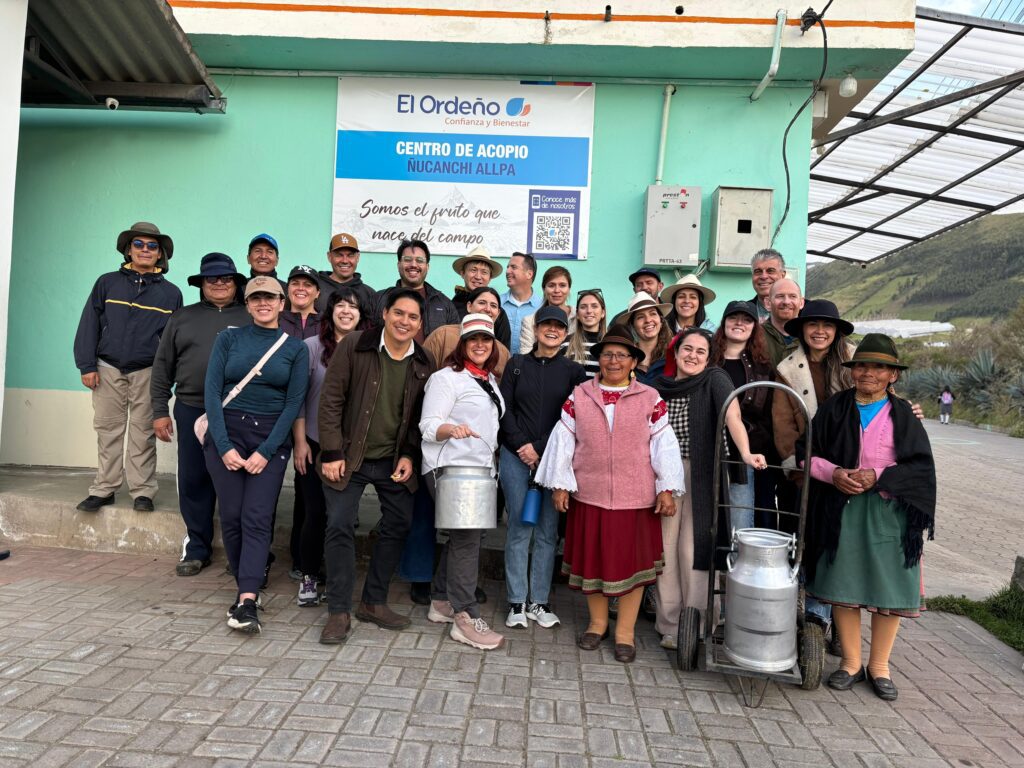
Our first day began near the Equator, at the Quitsato Sundial, where we learned how Ecuador’s unique geographic location creates ideal conditions for agriculture and cacao production. However, the most meaningful experience was our visit to the indigenous dairy farming community of Puliza. This women-led community supplies the milk used in República del Cacao’s White Chocolate 31%—the very same chocolate that would later inspire my dessert.
We were welcomed with a traditional Pambamesa, a shared meal prepared with ingredients grown by the community itself. Sharing native potatoes, mellocos, corn, fresh cheese, and pan-fried tortillas reminded me that some of the most memorable meals are built on simplicity, generosity, and connection. We also had the opportunity to try the famous bizcochos from Cayambe and learn about the agave plant, which thrives in challenging conditions. Its resilience struck me as a reflection of the communities we met throughout the journey.
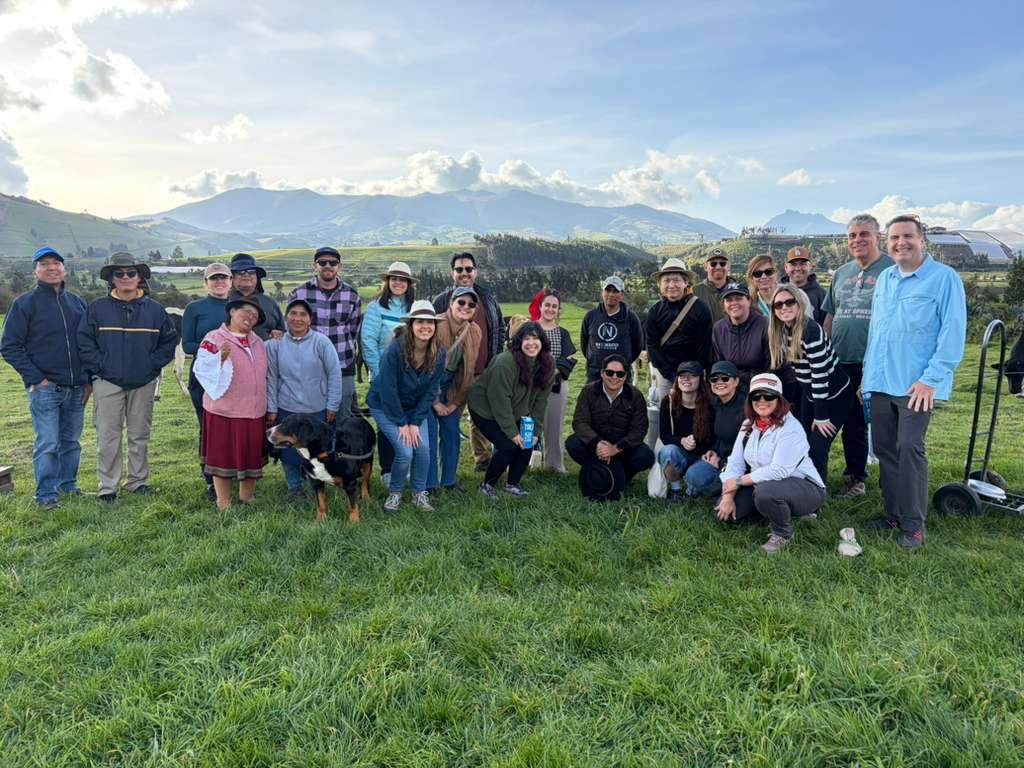
Later we went up into the mountains to experience dairy farming firsthand. We visited Mrs. Lucrecia's greenhouse, learned about community development programs, and observed the daily work required to maintain these farms.
One of the most memorable moments was trying to milk a cow alongside the community president. While my efforts barely managed to fill a small cup of milk, she was close to filling a whole bucket. What struck me most wasn't the process itself, but the people behind it. These women get up before dawn, work tirelessly, support their families, and invest in their children's future. Standing on that mountain, I understood that the milk used in República del Cacao's white chocolate represents much more than an ingredient: it represents opportunities, resilience, and community.
Before this trip, Ecuador 31% White Chocolate was simply a product I enjoyed using. After meeting the women who make its production possible, it became a story.
Day 2: Following the cacao trail into the Amazon
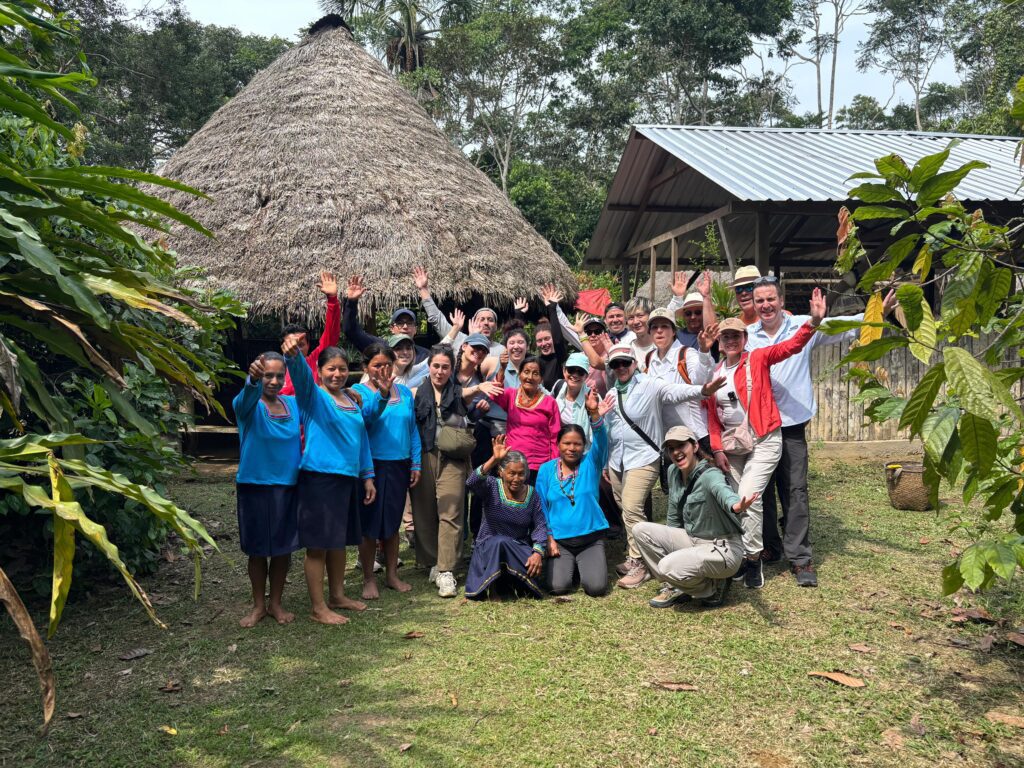
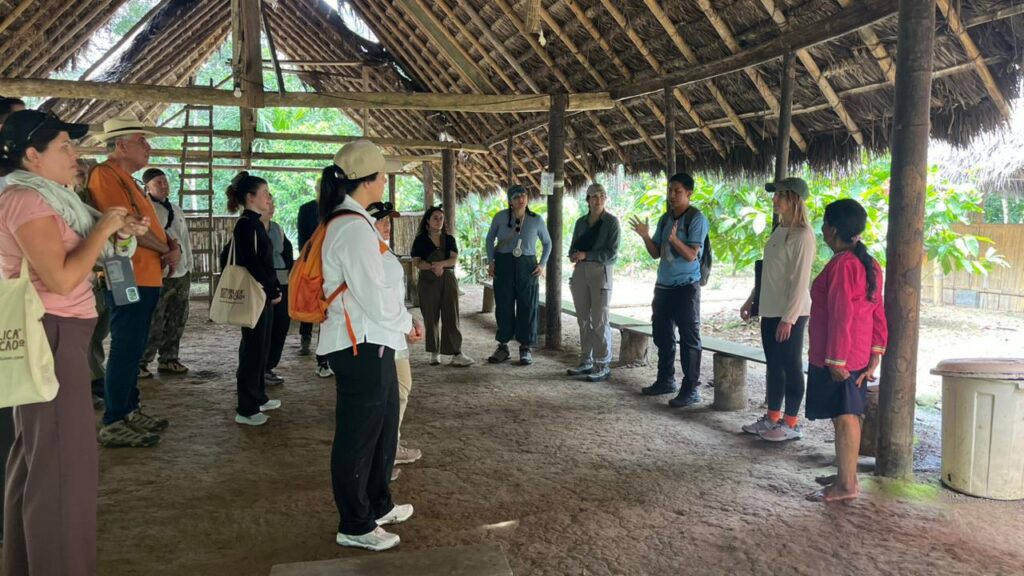
On the second day, we traveled from the Andes to the Ecuadorian Amazon, where we traced the journey of cacao back to its source. Along the way, we stopped at a cacao collection center to observe the fermentation and drying processes. Seeing thousands of cacao beans being carefully processed before reaching a factory allowed me to appreciate even more the dedication and expertise required to produce great chocolate. We also learned about Fair Trade initiatives and the impact they have on local communities. The producers spoke to us about the importance of education, opportunities
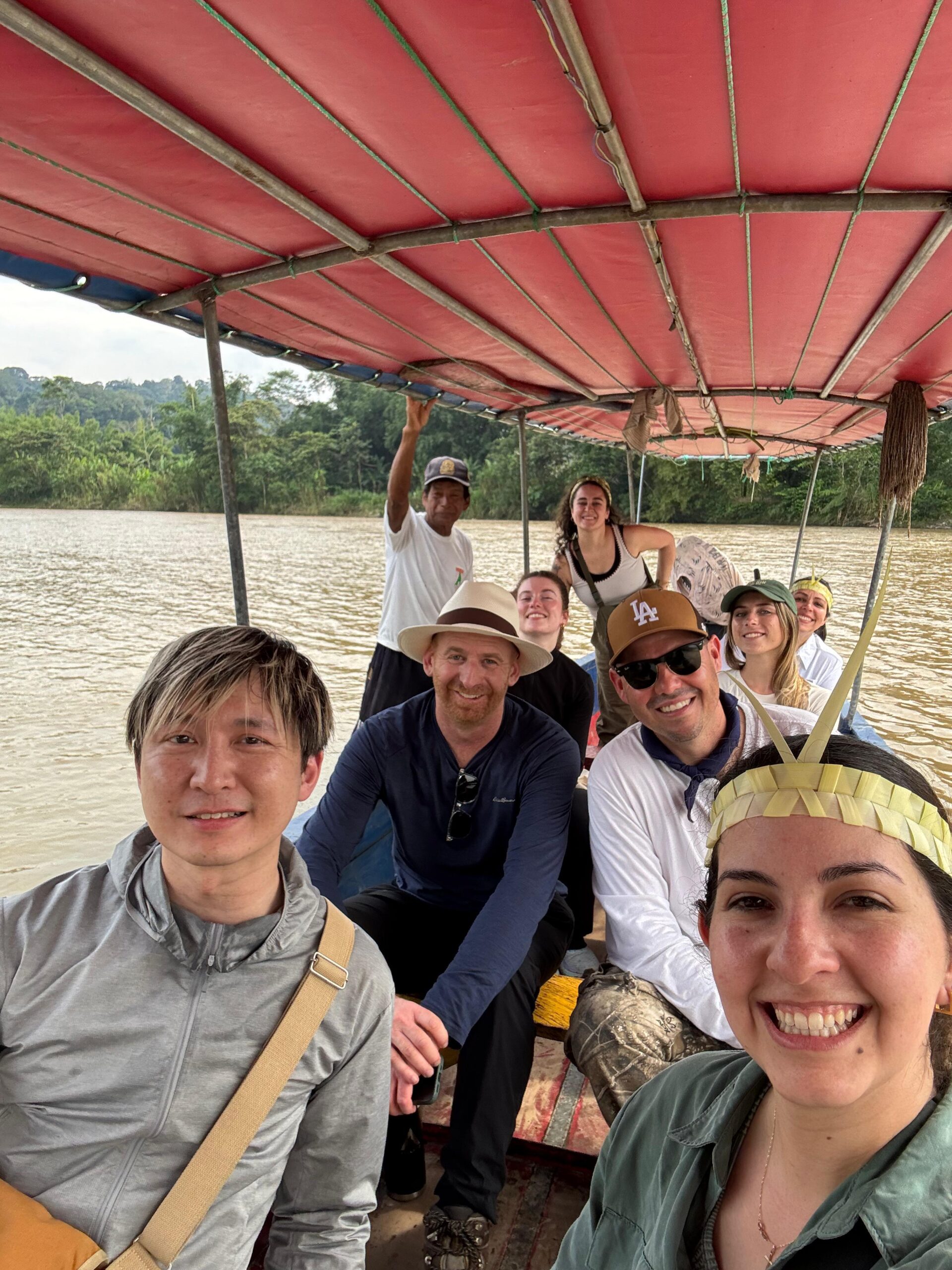
and the preservation of agricultural traditions for future generations. One of the most memorable moments of the trip came when we boarded a canoe to navigate the river to the community of Mirador. The journey through the Amazon rainforest invited us to slow down and appreciate the environment around us.
The community welcomed us with a meal prepared with local ingredients and shared demonstrations of traditional crafts made with natural fibers and plant-based dyes. Their respect for the land and their commitment to preserving knowledge passed down from generation to generation were truly inspiring.
Finally, we arrived at the cacao plantation. For a pastry chef, seeing cacao growing in its natural environment was an almost surreal experience. Even more meaningful was discovering that this plantation produces the cacao used in the Amazonía 75% Dark Chocolate from
República del Cacao, a chocolate we use regularly in our pastry program.
Walking among the cacao trees, surrounded by banana, vanilla, cinnamon, ginger, and a wide variety of plants, revealed the extraordinary biodiversity of the Amazon. Tasting fresh cacao straight from the pod was another unforgettable experience. The sweet pulp surrounding the bean had fresh, tropical notes and a completely different flavor from what most
people associate with chocolate.
At the end of the day, I understood that every piece of chocolate begins its story long before reaching a factory. It begins with the farmers, the ecosystems, and generations of shared knowledge.

Day 3: From bean to chocolate
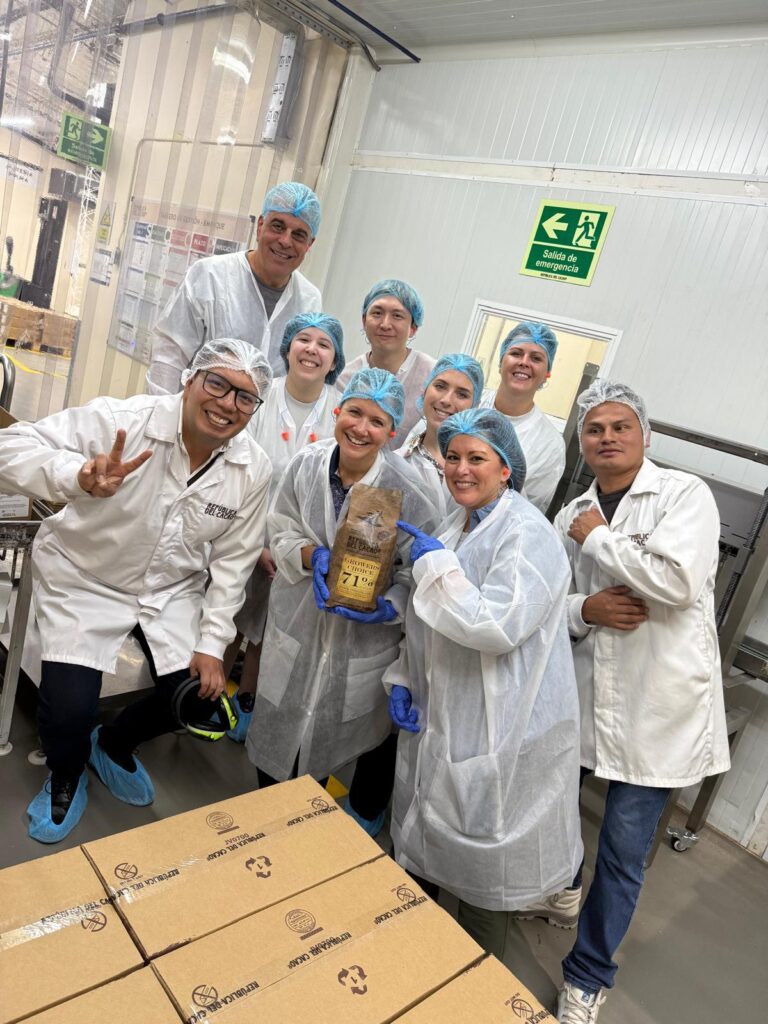
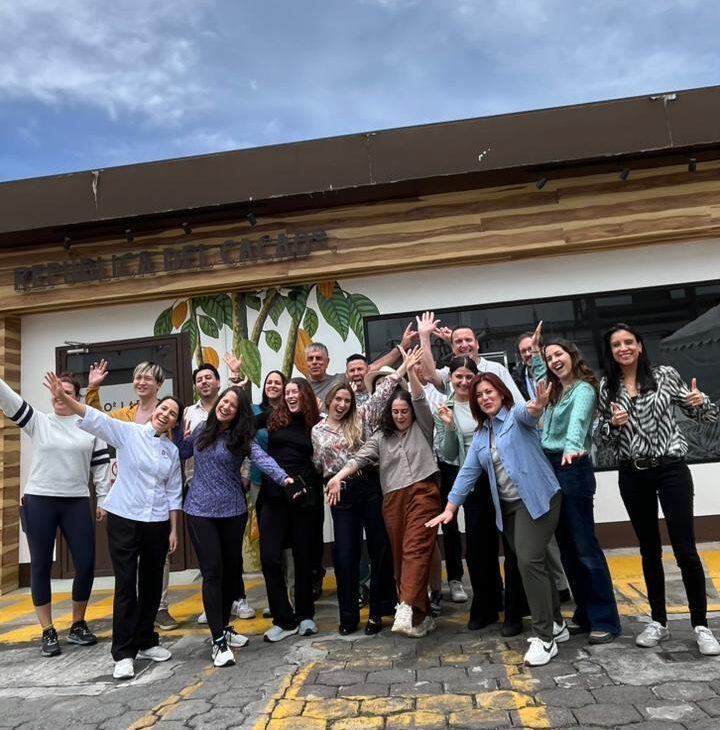
On our third day, we visited the República del Cacao factory in Quito, where we followed the journey of cacao from bean to finished chocolate. From the moment we arrived, it was clear that the company’s greatest strength is its people. The pride, passion, and commitment shown by each employee reflected the same values we had seen in the milk- and cacao-producing communities.
We walked through the entire production process: from the reception and roasting of the cocoa beans to the refining, conching, tempering, and packaging of the chocolate. Although the technology was impressive, what stood out the most was the expertise and knowledge behind each stage. Quality is not achieved solely thanks to the machines; it is attained thanks to the people who feel a deep commitment to their work.
One aspect that particularly impressed me was the company's commitment to minimizing waste and maximizing the value of every cocoa bean.
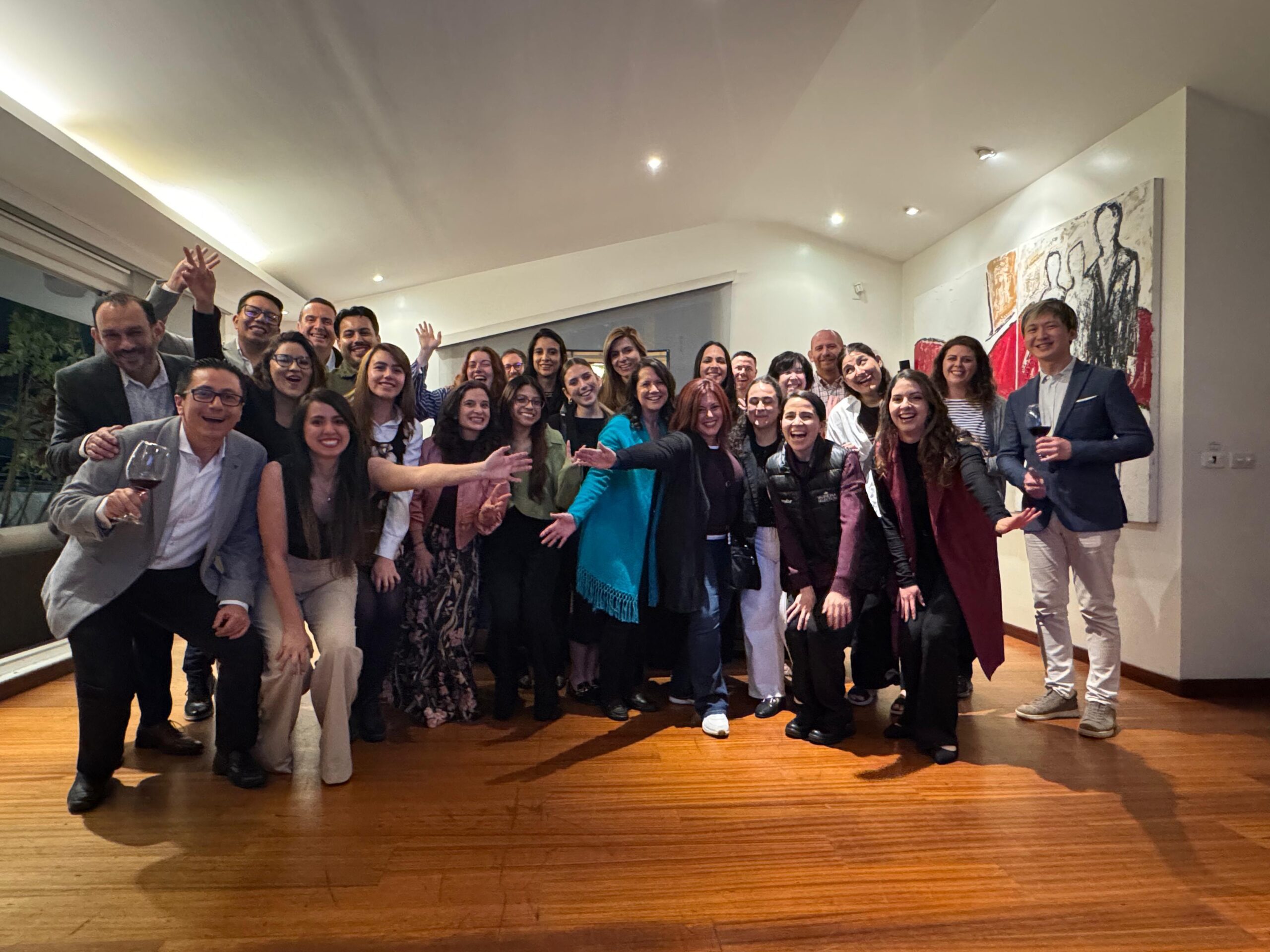
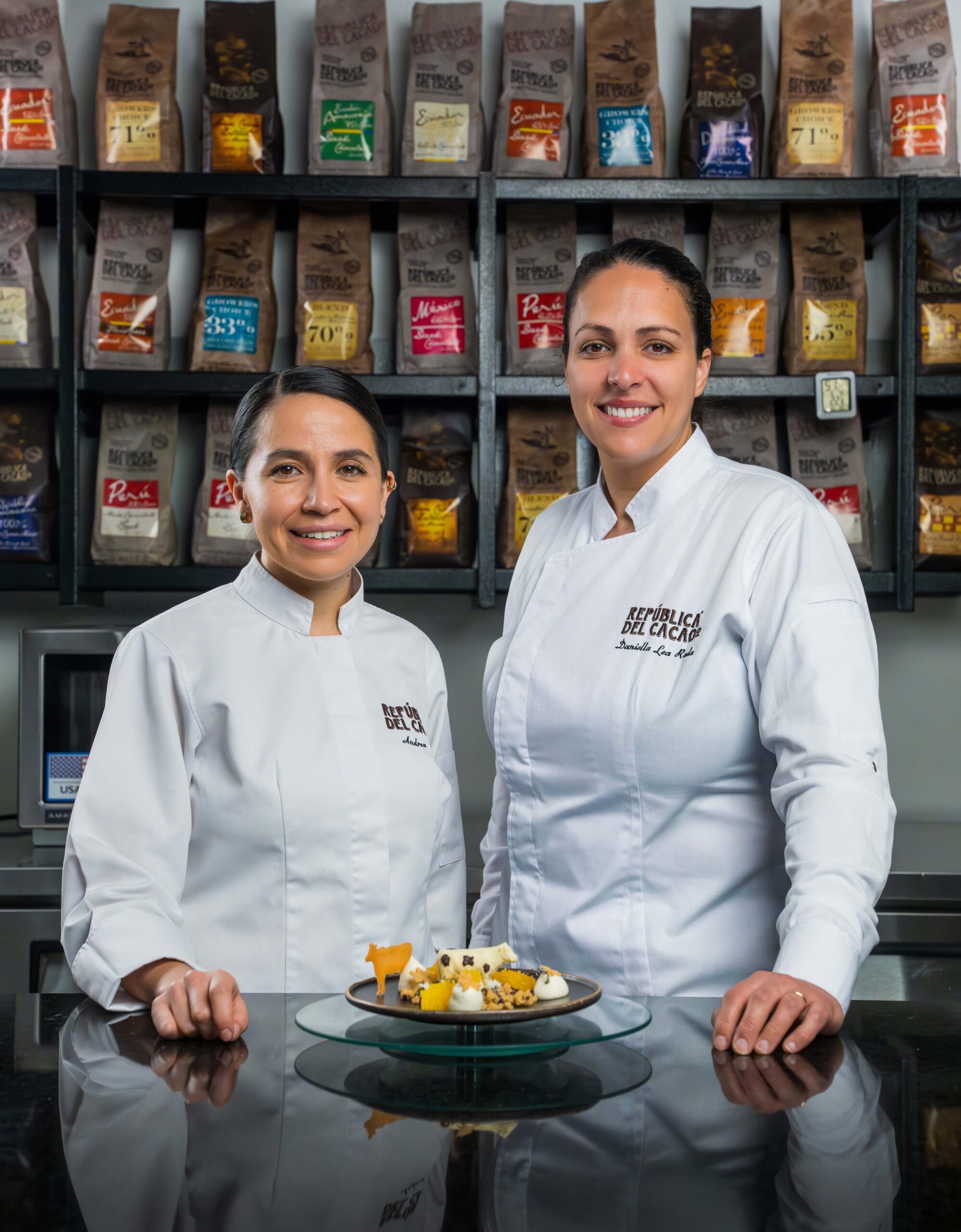
After the factory tour, we enjoyed a pastry tasting prepared by Corporate Pastry Chef Andrea, and had the opportunity to learn more about República del Cacao's mission from CEO Paulina and the management team.
By that point in the trip, there was already a common theme that kept repeating itself. Whether talking with dairy producers, cocoa farmers, or factory workers, everyone shared the same sense of pride and responsibility.
República del Cacao doesn't just produce chocolate; it preserves traditions, supports communities, and creates opportunities. For me, that is the true secret behind the brand.
The day concluded with a lovely dinner at Casa de Tilo, where chefs Max and Cécile welcomed us into their home. Surrounded by gardens, excellent food, music, and pleasant conversation, it was yet another reminder that hospitality and human connection are at the
the heart of Ecuadorian culture.
Day 4: Transforming inspiration into a dessert
Our last day in Quito gave us the time to reflect on everything we had experienced. As I walked through the city, memories of the previous days came back to my mind over and over again: the women of Puliza carrying milk down the mountain, the canoe trip through the Amazon, the cacao trees growing under the jungle canopy, and the factory workers proudly sharing the work they do.
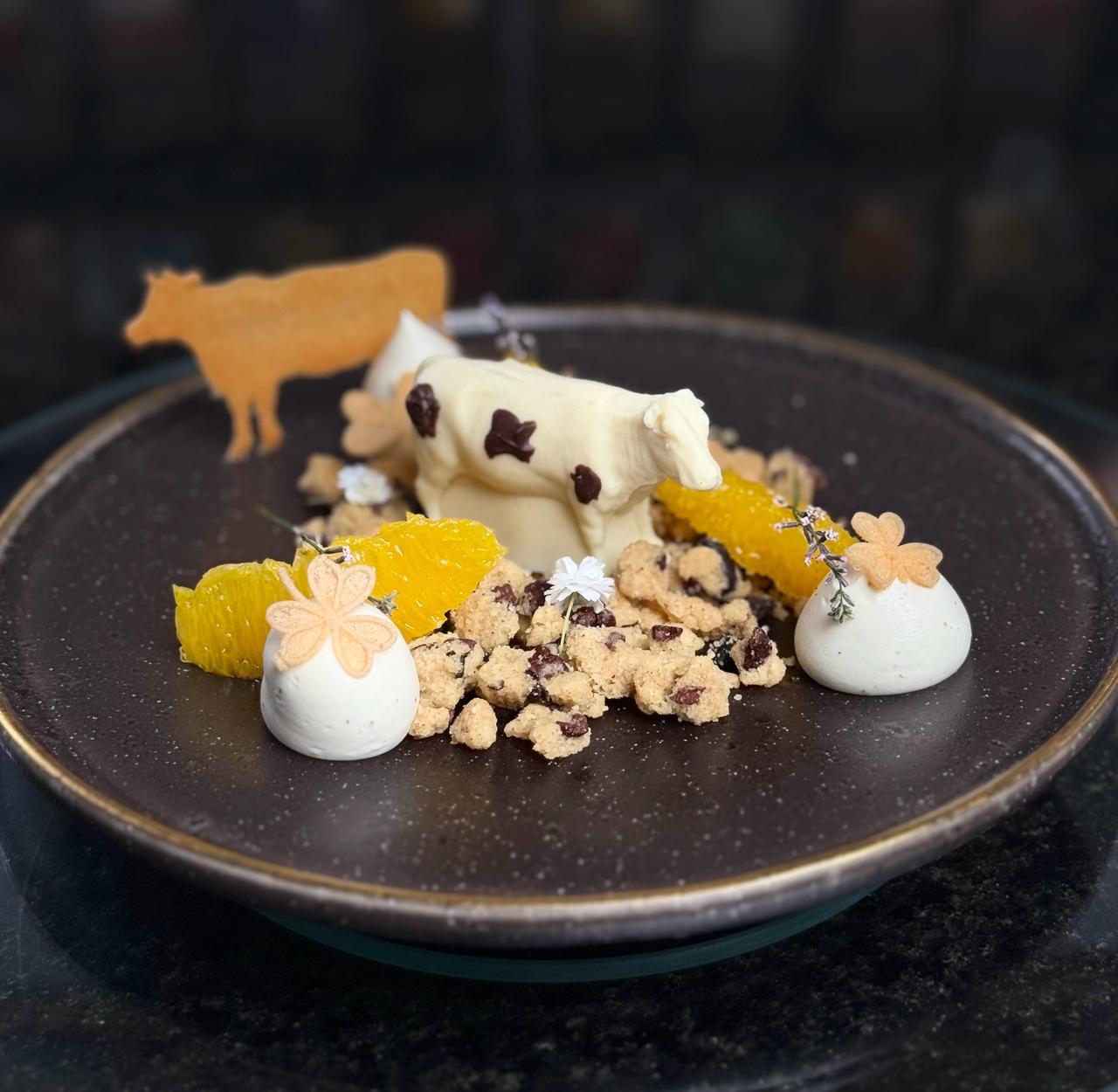
By that time, I already knew exactly what I wanted my dessert to represent. At the center of the creation was the Ecuador White Chocolate 31% from República del Cacao. After visiting Puliza, its flavor took on a completely new meaning. Each bite I
I thought back to the mountains, the community, and the women whose dedication makes this chocolate possible.
The Amazon also played a fundamental role in the development of the dessert. Its vibrant citrus notes, fresh aromas, and the extraordinary biodiversity of the region inspired flavors that brought freshness and energy to the final creation. The landscapes themselves influenced the presentation and the emotional essence of the dessert.
Work alongside the Corporate Chef Andrea, was one of the greatest privileges of this trip. Together we transformed memories into flavors and experiences into a story told through a dessert. Each component became a reflection of a place, a person, or a moment lived during this journey.
As I boarded my return flight to Atlanta, I was carrying with me much more than the inspiration for a new recipe. I was carrying the memories of the women of Puliza, the beauty of the Cayambe mountains, the sounds of the Amazon rainforest, and the stories of the people who dedicate their lives to producing and transforming this extraordinary ingredient. This trip deepened my
respect not only for the cacao, but also for each person whose hands are part of this process: from the farmers and producers to the artisans, the communities, and the factory collaborators.
As chefs, we often focus on what we create. This experience reminded me of the importance of also honoring the origin of our ingredients and the people who make it possible for them to reach us.
Before Ecuador, chocolate was an ingredient I enjoyed working with. After Ecuador, it became a story. And behind every great story are extraordinary people. That is why I will always be deeply grateful
By: Daniella Lea Rada
Follow their work at: @daniella.learada