
Discovering Chocolate at the Source: A Journey Through Ecuador
This trip transforms how people see chocolate. It reveals the heartbeat behind every chocolate bag—the farmers, the land, the culture.
Being Ecuadorian, there is a special kind of joy in welcoming clients from the United States to my country and walking them through the land where fine aroma cacao was born.
Day 1: The Amazon
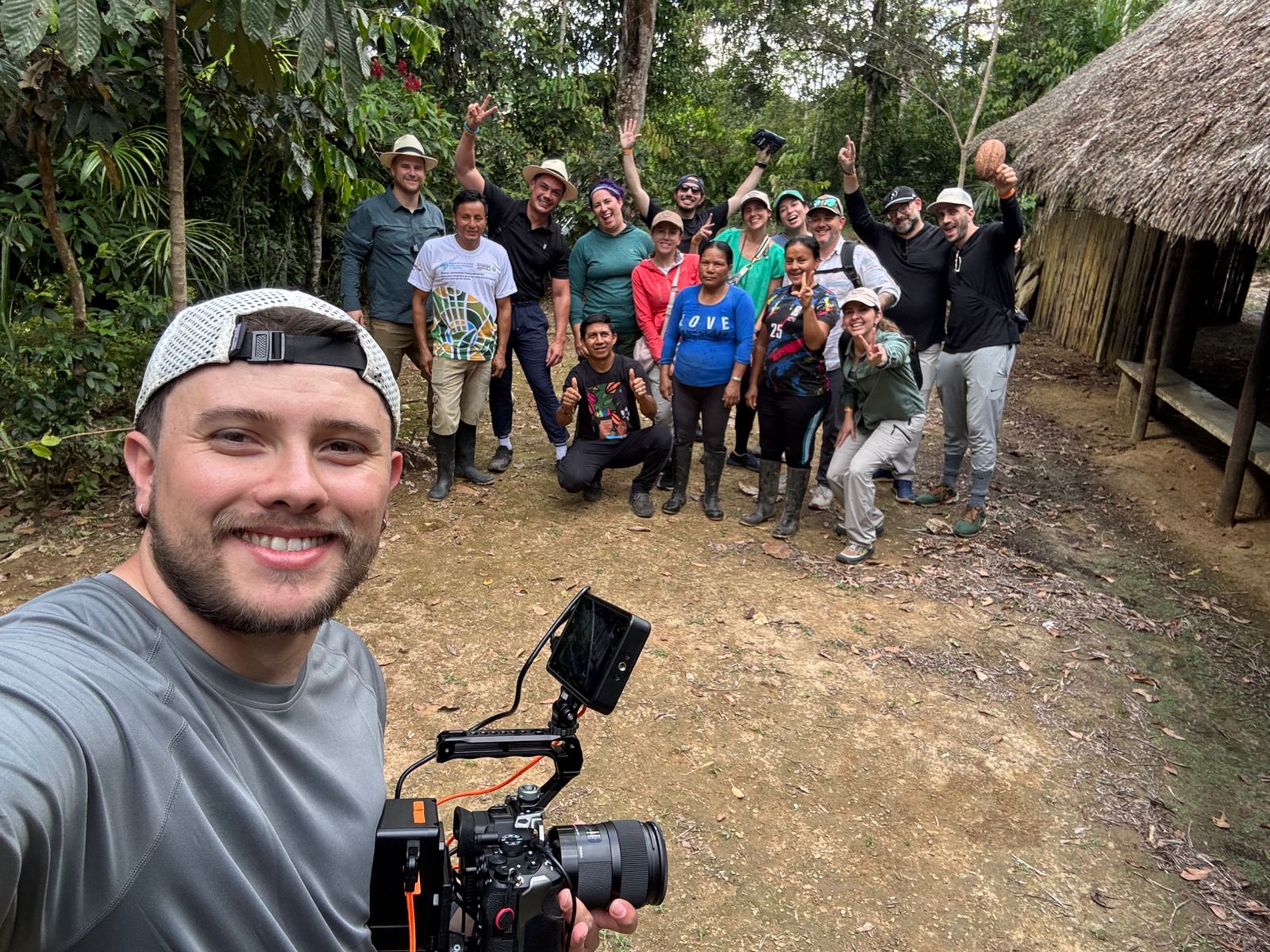
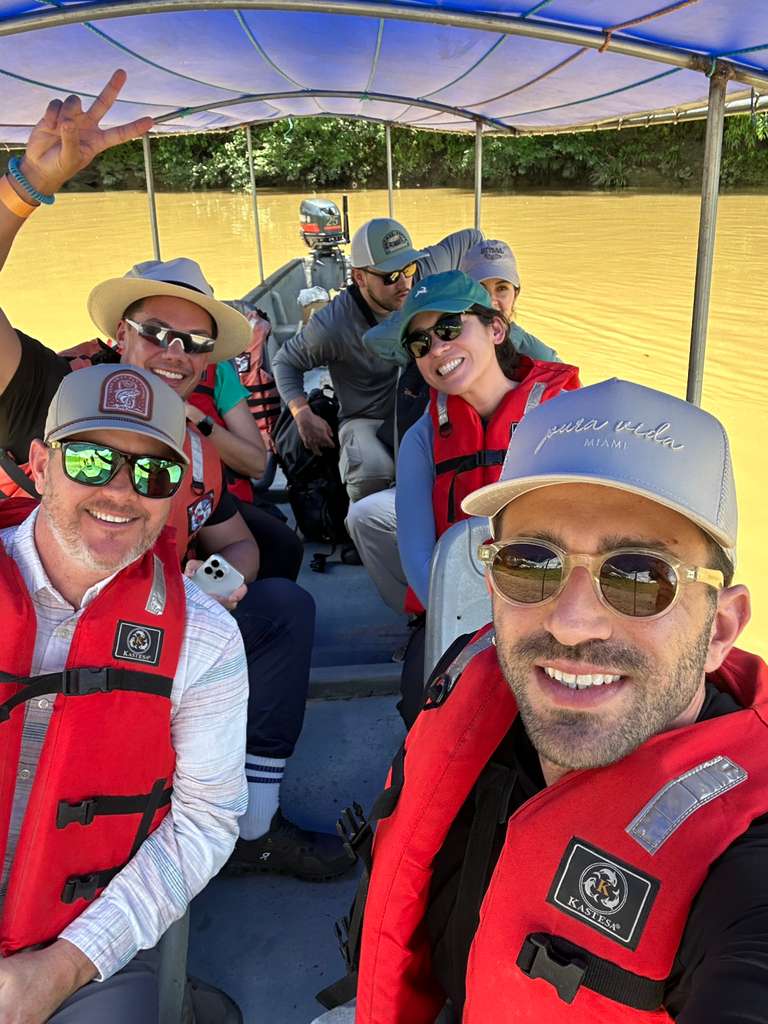
Our adventure begins deep in the Ecuadorian Amazon, where the river is both a road and a storyteller. A small boat carries us toward the Kallari community—one of República del Cacao’s allied farmer groups.
Here, Giovanni welcomes us and walks us through his cacao crops. His family has been growing this fruit for generations.


Our guests learn how farmers tend their land with care, how they propagate the plant while maintaining the fine aroma properties, and how entire communities live in harmony with nature. Contrary to what many imagine, these are not monocultures, cacao trees grow side by side with companions like Amazonian garlic, tropical fruits, and other plants that naturally protect and nurture them. Here we do something that is a first for many, taste fresh cacao straight from the pod. I always enjoy looking at our guests faces as they taste the floral, and acid notes of the fruit for the first time.
For lunch, a true farm-to-table feast is prepared by the community, which includes local ingredients like tilapia, yuca, wayusa tea, and of course, a bit of bean-to-bar chocolate prepared that moment. It is here that our guests begin to understand the true journey behind the chocolate they use daily—cultivation, fermentation, drying, and the challenging trek up the Andes Mountains to get to the factory.
Day 2: The Panela Fields
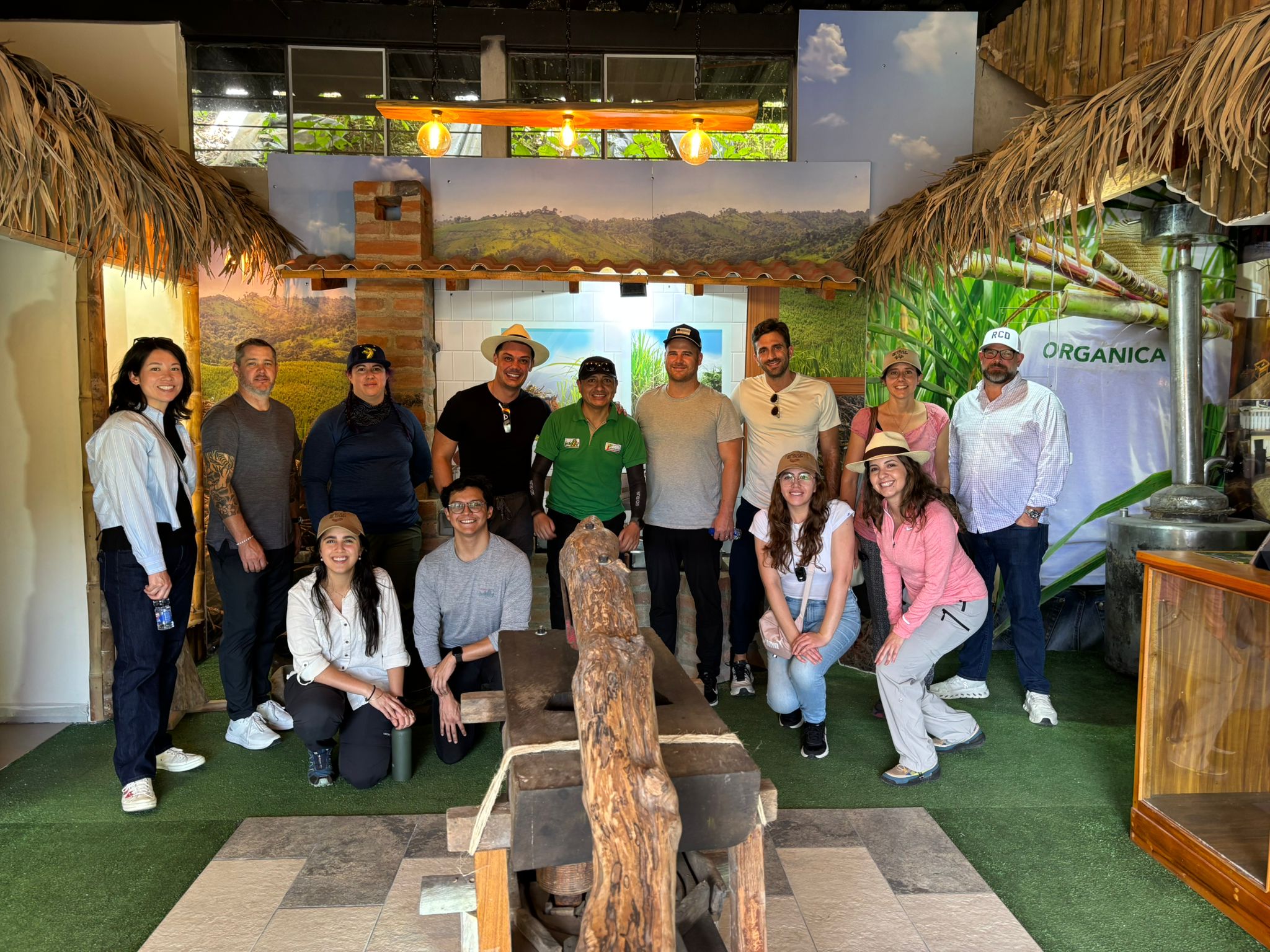
The next day we make our way to Pacto, nestled in the Chocó Andino bioregion, where panela farmers keep a beautiful tradition alive. Panela—unrefined sugar cane—is an essential ingredient in many of our chocolates.
Here, knowledge isn’t written in manuals; it’s carried in stories, memories, and hands worn by work and pride. We get to see how entire families pass down the craft of cultivating sugar cane, collecting the juice, and transforming it into golden panela.
Our guests also joined in! Cutting cane, squeezing the sweet juice, and watching it slowly turn into the panela. Watching this entire process is a lesson in sustainability, but also in passion.

Day 3: The Factory
On our final day, everything comes full circle at the República del Cacao factory in Quito.
Here, the ingredients we had seen in the fields came together. Guests observe every step of the process: ingredient reception, quality control, grinding, conching, tempering, and packing. The head of R&D and Quality led a professional tasting, and we could already see inspiration sparking as clients begin imagining their next desserts and pastries. They also get to meet our Corporate Chef Andrea Lopez, and visit her chocolate laboratory where many recipes used world-wide are crafted.
This is where tradition meets excellence.
A Journey That Changes Everything
República del Cacao crafts the most authentic Latin American chocolate by using exclusively Latin American ingredients and building deep, lasting relationships with local communities. I have seen firsthand how the growth of the company directly supports the growth of the allied farmers and their families.
For me, sharing this world is more than work—it is pride, it is home. And every time I guide visitors through these landscapes, I’m reminded that chocolate is more than a product.
It is a story. A connection. A legacy.